
Key Takeaways
- Efficient HVAC heating and cooling systems help you reduce energy use and save money.
- Simple maintenance can boost your HVAC unit’s energy efficiency.
- Find tricks to reduce energy usage further while keeping cool during heat waves.
- Check if you’re eligible for financial aid to upgrade your HVAC system.
Like the changing seasons in the Lone Star State, optimum Texas HVAC efficiency is an ever-evolving art.
Efficient systems help keep our homes cool in summer and warm in winter. Efficient use of these systems reduces energy bills, keeps dollars in pockets, and helps reduce climate-change-causing greenhouse gas emissions.
According to the U.S. Department of Energy (DOE), more than half a property’s energy usage goes on heating and air conditioning. Replacing inefficient HVAC systems can reduce a homeowner’s electric heating and cooling systems by up to half.
While population and energy demands continue to grow in Texas, there’s a state-wide movement to install efficient heating and air conditioning systems and use less energy, with financial help for upfront installation costs.
Here’s how to win at energy efficiency and utility bills, stay cool, and help save the planet through Texas HVAC efficiency.
How Can I Optimize My HVAC System for Hot Summers in Texas?

As Texans know, the state is getting hotter, and researchers predict more days with extreme temperatures of 100 degrees or above each year. Clearly, efficient HVAC is becoming critical to well-being. The positive side is that there’s plenty you can do to make existing HVAC units work more efficiently.
Texas HVAC efficiency begins with good maintenance of your air conditioning system. Upkeep of HVAC units is like looking after ourselves with trips to the gym. AC units have to work harder if they’re not in great shape and are more likely to have wear and tear the harder they work.
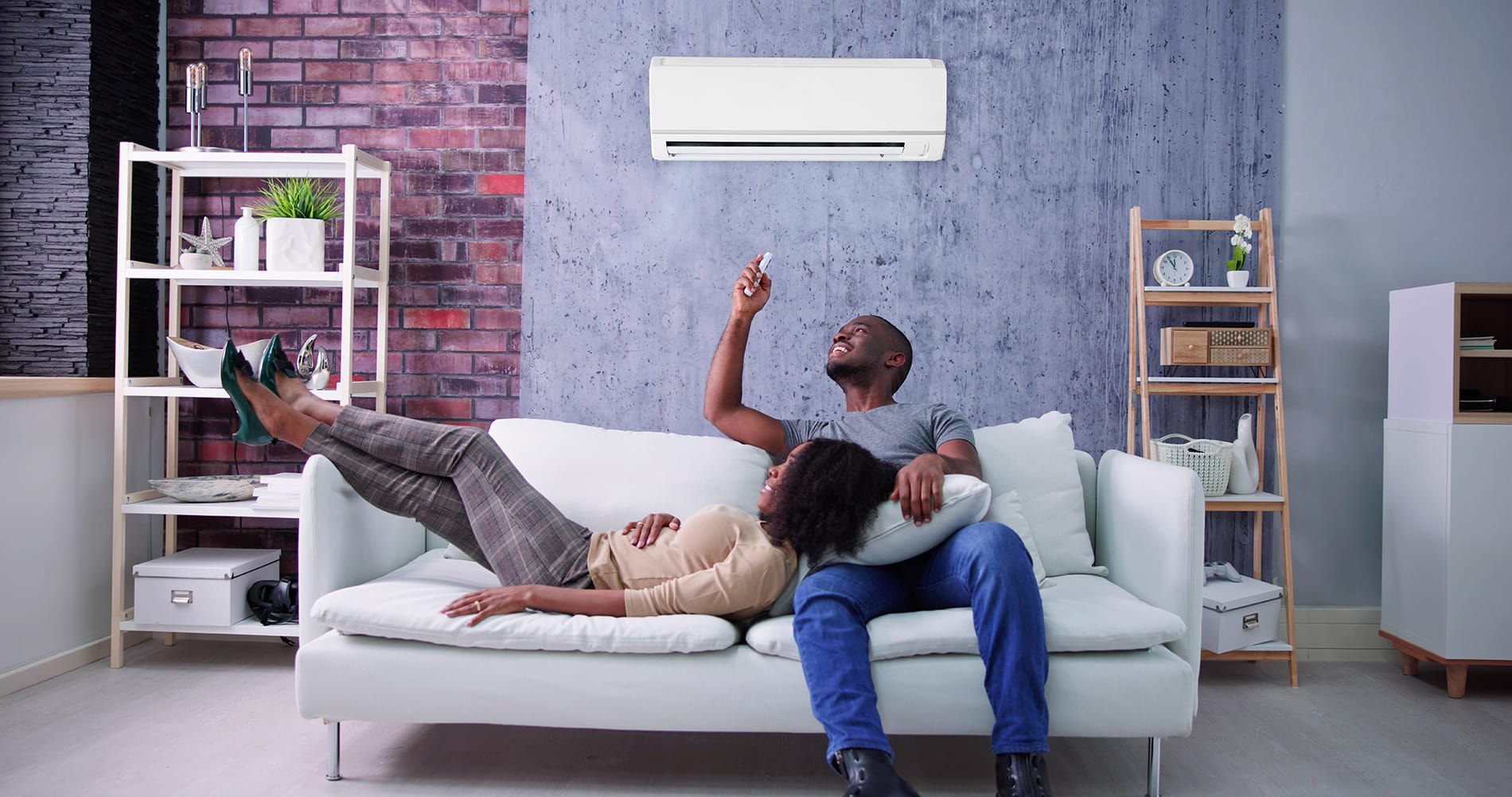
- Installing a smart thermostat gives you control. Give the HVAC a break while you’re out, and turn it back on remotely just before you get home. Additional settings may allow you to control separate room temperatures, negating the need to cool an entire home if you’re only in a few rooms.
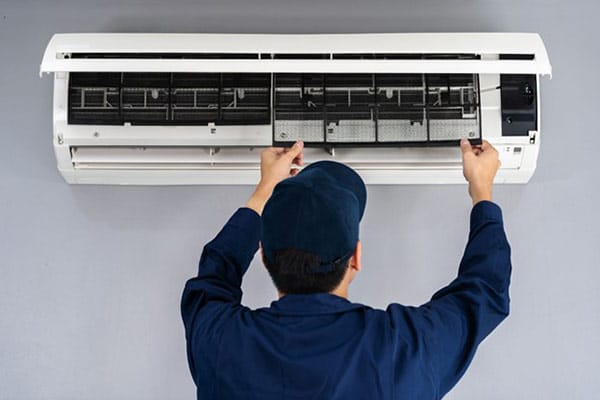
- Keep air filters clean and change them regularly. Most have a lifetime of 3-12 months, after which they start draining extra energy to function.
- Clean your ductwork, check the vents, and keep them and surrounding areas debris-free.
- Seal air leaks that allow cooling air to escape or warm air to re-enter your home, requiring more energy to reach your desired temperature.
- Improve your home’s insulation. In summer, proper insulation keeps the warm air out and the cooling air in, and the reverse is true in winter. Consider energy-efficient windows as around 25-30% of cooling can literally go out the windows. Caulk air leaks, door frames, etc.
- Reduce the heat that warms your home so your HVAC works less to reach optimum temperatures. Easy tricks include closing blinds and windows to stop the sun coming in, keeping windows and doors closed, turning off unused appliances, and turning on ceiling fans.
- Too much to take on? Consider hiring a professional HVAC contractor to give your system a complete overhaul, suggest improvements, and possibly replace the unit. They will also check refrigerant levels and gas leaks, inspect electrical cables, test thermostats, and ensure correct airflow. An energy audit may help further.
How Can I Reduce My HVAC’s Energy Consumption During Texas’ Peak Summer Months?
There are several ways to reduce HVAC energy consumption when Texas’ scorching summer temperatures come.
The aim of the game is to reduce how hard the cooling system is working. These energy savings come by:
- Ensuring the unit is well maintained and in optimum working order as above.
- Reduce heat entering your property.
- Play with your thermostat settings. The DOE suggests 78 degrees Fahrenheit in summer. Perhaps you’ll be comfortable at a higher temperature?
- Ensure your thermostat is well placed, away from warming appliances like TVs or fridges that can affect its reading of the room’s temperature.
- Cool the rooms you use—programmable thermostats are a great help. People with ductless mini-split HVAC systems find this more straightforward because split systems have individual units controlling the temperature in different rooms.
- Don’t turn your air conditioner to its maximum setting when you come home—it burns through energy and will not cool your home quickly.
- Use ceiling, floor, or table fans to move air. Ceiling fans use much less energy than HVAC units. The breeze a fan creates helps you feel cool, meaning you won’t need to set your AC thermometer as low when using a fan. Remember to spin ceiling fans counterclockwise in summer.
- Dehumidifiers reduce humidity, which can make a home feel warmer. If your HVAC unit doesn’t have a built-in dehumidifying system, consider using one.
- Avoid using stoves or ovens during the day as they increase the ambient temperature, which your air conditioning has to cool.
- If your region’s temperatures drop sufficiently at night, consider sleeping with open windows and fans rather than turning on the AC.
Enter your ZIP Code and compare electricity rates
What Are the Signs That My HVAC System Is Operating Inefficiently?
Your HVAC equipment may be working inefficiently if you suddenly experience higher energy bills, some rooms are warmer or cooler, the unit requires regular repairs, it’s making excessive noise, or you notice a decrease in air quality. Its age—more than 15 years—is also a sign of inefficiency. These behaviors could come from clogged filters, a malfunctioning thermostat, general wear and tear, or an internal leak.
What Role Do Programmable Thermostats Play in Improving Texas HVAC Efficiency?
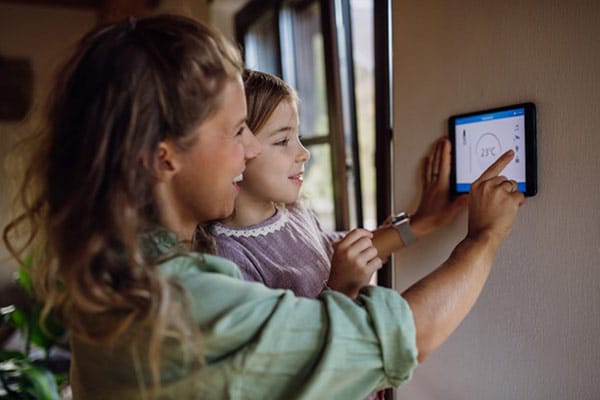
Programmable thermostats give you control over your cooling and heating systems. Program your HVAC to cool selected rooms before you come home rather than cooling every room all day. Smart thermostats go a step further, with different temperatures for different days of the week.
Have a change of plans? Smart thermostats allow you to remotely control them from your computer or smartphone. If a sudden thunderstorm passes over, you can turn off the HVAC unit wherever you are and save energy.
These thermostats can also learn your sleeping and waking times to tailor room temperatures to your routines or use geofencing technology to locate you when you’re almost home to adjust the HVAC’s patterns. Smart indeed!
How Often Should I Change Air Filters in a Texas HVAC System?
HVAC filters have a lifetime of 3-12 months before they begin to become inefficient. Greater use reduces an air filter’s lifetime, so check your manufacturer’s guidelines and warranties.
How Can I Ensure Proper Ventilation in My Texas Home Without Compromising HVAC Efficiency?

HVAC systems get their name because H means heating, V means ventilation, and AC means air conditioning. Most HVAC systems will have some ventilation capabilities.
However, this ventilation capacity may be reduced if ducts are blocked or filters are dirty. Also, some people close ventilation ducts during scorching weather to prevent outside warm air from entering their homes. That means the HVAC only cools inside air, which can become dirty if not refreshed regularly.
The best way to maintain proper ventilation while using air conditioning is to keep all working parts in good condition, keep filters and vents clean, and keep the HVAC unit in top shape. Ideally, if the ventilation ducts have been closed, open windows at night to allow fresh air in every day.
How Do I Choose the Right Size HVAC System for My Texas Home?
A rule-of-thumb calculation to find the right-sized HVAC system for your home is to multiply your home’s square footage by 25. The result gives you an approximation of the required British Thermal Units (BTUs) for a property.
These BTUs ÷ 12,000 will tell you what tonnage your system requires. For example, a 24,000 BTU calculation would mean a two-ton system.
Pro tip: This online HVAC load calculator can help.
Remember: Every home has unique needs, and calling a professional HVAC contractor to assess your home is the best way to choose the right-sized HVAC system. They calculate the square footage, number of residents, sun exposure, climate, windows, and general house condition.
When Should I Consider Upgrading or Replacing My HVAC System?
Ever-improving technology means that many newer HVACs, heat pumps, and AC units are much more energy-efficient than older models. The U.S. energy efficiency standard bearers Energy Star recommend changing these appliances every 10-15 years to gain 20% efficiencies, which drive down utility bills.
Additionally, the U.S. Department of Energy has introduced new energy efficiency standards for air conditioning in the United States, including Texas.
Seasonal Energy Efficiency Ratio 2, or SEER2, requires new air conditioning units or heat pumps installed to have a SEER rating of 14.3 or higher. The higher the SEER2 rating, the more efficient the unit.
You don’t need to replace your HVAC unit immediately. HVAC manufacturers can sell their old stock of AC units, but since the SEER2 law came into force, manufacturers must build more energy-efficient models. In the interim, you can make the most of your current heating and cooling system in Texas (see the section below).
Are There Incentives or Rebates for Upgrading HVAC Systems in Texas?
HVAC systems, heat pumps, and air conditioners are expensive. Luckily, there are several ways Texans can get financial support to lessen the economic burden of an upgrade.
Several incentives and rebates help Texans buy new, upgrade, or replace their central air conditioners and other energy-saving measures.
Your Texas utility company is your first port of call, as many offer rebates and incentives. For example, CPS Energy provides utility bill rebates for people who install energy-efficient central air conditioning, mini-split units, or heat pumps.
Next, the Inflation Reduction Act in Texas and across the nation helps people with low-to-middle incomes make their homes more energy-efficient through the following:
- The Home Efficiency Rebate (HOMES) program offers tax credits and rebates on upgrades that help lower utility bills, including buying Energy Star-approved HVAC units, heat pumps, and water heater systems, and could even help you switch to a heat pump. The Home Electrification and Application Rebate (HEAR) program, also known as the High-Efficiency Electric Homes Rebate Act (HEEHRA), focuses on electrifying properties for those with low-to-middle incomes, from heat pump water heaters to insulation and wiring. It also helps with improving insulation, installing solar power, and adding battery storage.
Each program has varying qualification criteria, maximum amounts of financial aid available, and different items covered. Check with your utility company and local authority before purchasing any appliances or starting any work.
Texas HVAC Efficiency: Save Money and Energy
There is much you can do to save energy and money throughout the year in Texas. Whether you wish to tune up your HVAC system, buy a new central air conditioner unit, or switch to a heat pump, there are options.
Proper maintenance helps these appliances run smoothly and use less energy. Keeping your home cooler with closed blinds, efficient insulation, and no air leaks means your HVAC unit needs to work less to achieve your comfort levels, thanks to energy conservation. Programmable and smart thermostats also bring more control to your energy use.
Texas HVAC efficiency is a vital part of the state’s contribution to reducing greenhouse gas emissions that cause climate change. There are several financial incentives, from tax credits to rebates, to help people from all walks of life make their homes more energy efficient.
Like most things linked to global warming, especially those scorching Texan summers, it’s best to act early and start your home’s energy-efficiency journey as soon as possible.
Brought to you by energysavings.com
All images licensed from Adobe Stock.