
Key Takeaways
- High humidity levels can affect people’s health, damage buildings, and push up energy bills.
- Texas’ climate means millions of people are at risk of experiencing high humidity levels.
- Climate change may make Texas’ high humidity problems worse.
- HVAC systems and air conditioners can efficiently help with high humidity if used correctly.
Extreme weather is the new normal in Texas. Last year was the second-hottest ever, with an average summer temperature of 85.3 degrees Fahrenheit. San Antonio recorded its hottest-ever summer.
Texas weather stations have recorded over 1,600 heat-related records for the Lone Star State in the last decade following repeated heatwaves. Climate change is powering these extreme weather events, bringing droughts, storms, and flooding.
That’s because the entire state is a subtropical climate zone. What’s more, many Texans live in areas with high levels of humidity, which increases the real-feel temperatures.
Texas‘s high humidity level concerns are genuine and will not clear soon. High humidity and temperatures can adversely affect people’s health and even be deadly. Here’s how to address it.
Texas High Humidity Level Concerns by Region
Different parts of Texas have varying levels of humidity, generally with drier winters and humid summers. High humidity makes hot days feel a lot warmer.
We can calculate how much warmer a humid day feels thanks to heat indexes. Relative humidity can make a “cooler” day feel warmer. For example, a day registering 90 degrees Fahrenheit with 80% humidity feels like 113 degrees Fahrenheit. A seemingly cooler 86-degree Fahrenheit day with a higher 100% humidity feels almost the same at 112 degrees Fahrenheit.
Coastal areas like Houston and Corpus Christi have high humidity levels throughout the year, averaging 90% or above, thanks to moist air from the Gulf of Mexico. Coastal summers are muggy and oppressive, as heat and high humidity meet. Inland, in Eastern Texas, cities like Victoria and Port Arthur suffer the same high humidity levels.
Central Texas cities like Dallas and Austin, or South Texas’s San Antonio, can experience high humidity levels in summer, but not as high as the coastal regions. Western Texas usually sees lower humidity levels, especially in cities like El Paso, with a drier climate and an average 50% humidity level.
The Texas Panhandle, with high elevation and low humidity, often offers its residents a slightly less taxing summer than the central, eastern, and coastal parts of Texas.
How Does High Humidity Affect Indoor Comfort Levels in Texas Homes?

High levels of humidity don’t only affect our outdoor activities. High humidity is taxing on the homes we live in and the buildings where we work.
Indoor humidity levels are crucial for staying safe and keeping a property in good repair. Many people reach for their air conditioning and dehumidifiers to keep cool during a heatwave.
While this certainly helps, it places a huge demand on the power grid, may cause power outages, and adds to energy bills. Many people will be pumping extra climate-change-causing greenhouse gas emissions by trying to stay cool, creating a doom loop and amplifying global warming. Texas’s high humidity level concerns run through the energy chain.
Furthermore, homeowners need to consider indoor air quality in humid regions. Using air conditioners and dehumidifiers may bring their own issues.
Enter your ZIP Code and compare electricity rates
What Is the Ideal Humidity Level at Home?
The ideal humidity level at home is between 30% and 50% and should be kept below 60%.
Mold, bacteria, and fungi start to grow once humidity levels breach 60%. Activities like cooking, showering, and using clothes dryers and humidifiers increase humidity at home. Outside air entering a property also alters indoor humidity levels.
If your home has static electricity, it may have low humidity and dry air, and you may easily suffer from itchy or dry skin or see damage to wood furniture.
What Are the Potential Health Risks After Prolonged Exposure to High Humidity?
High humidity and temperatures combined produce several effects on the human body.
We usually sweat to cool down through sweat evaporation. However, the extra water vapor associated with high humidity makes it harder for air to evaporate our sweat and cool us. At around 75% humidity, our sweat defense is rendered inefficient.
Heat-related illnesses can soon follow:
- Excessive sweating can lead to dehydration, bringing dizziness, fatigue, muscle cramps, and headaches.
- Severe dehydration can provoke fainting and heart palpitations.
- Heat rash may strike.
- Heat exhaustion may invoke nausea, an elevated heart rate, headaches, and dizziness.
- Heat stroke is life-threatening. Sweating no longer regulates body temperature, and body temperature rises rapidly. After just 10-15 minutes, organ damage and failure can occur, along with loss of consciousness and seizures.
Remember to drink plenty of water and liquids with electrolytes during periods of extreme heat and humidity. Wear loose, light-colored, and lightweight clothing. Avoid exercise, especially during the hottest parts of the day, wear sunscreen when outside, and monitor for the heat-related issues listed above.
Remember to check on neighbors and friends, especially those with heart or breathing conditions, and stay indoors as much as possible. Keep drinking rehydrating fluids, even if you are not thirsty. Texas also has a list of Cooling Centers offering relief during the hottest parts of the day.
How Can I Measure and Monitor Indoor Humidity Levels?

It’s straightforward to measure your home’s humidity level. A smart thermostat displays the information, and there are some smartphone apps for your cellphone.
Alternatively, buy a hygrometer to check your home’s humidity levels — it works similarly to a thermometer but for humidity.
What Are the Most Common Signs of Excess Humidity in a Texas Home?
It’s crucial to know if your home suffers from high humidity. Telltale signs that your Texas home may have excess humidity include:
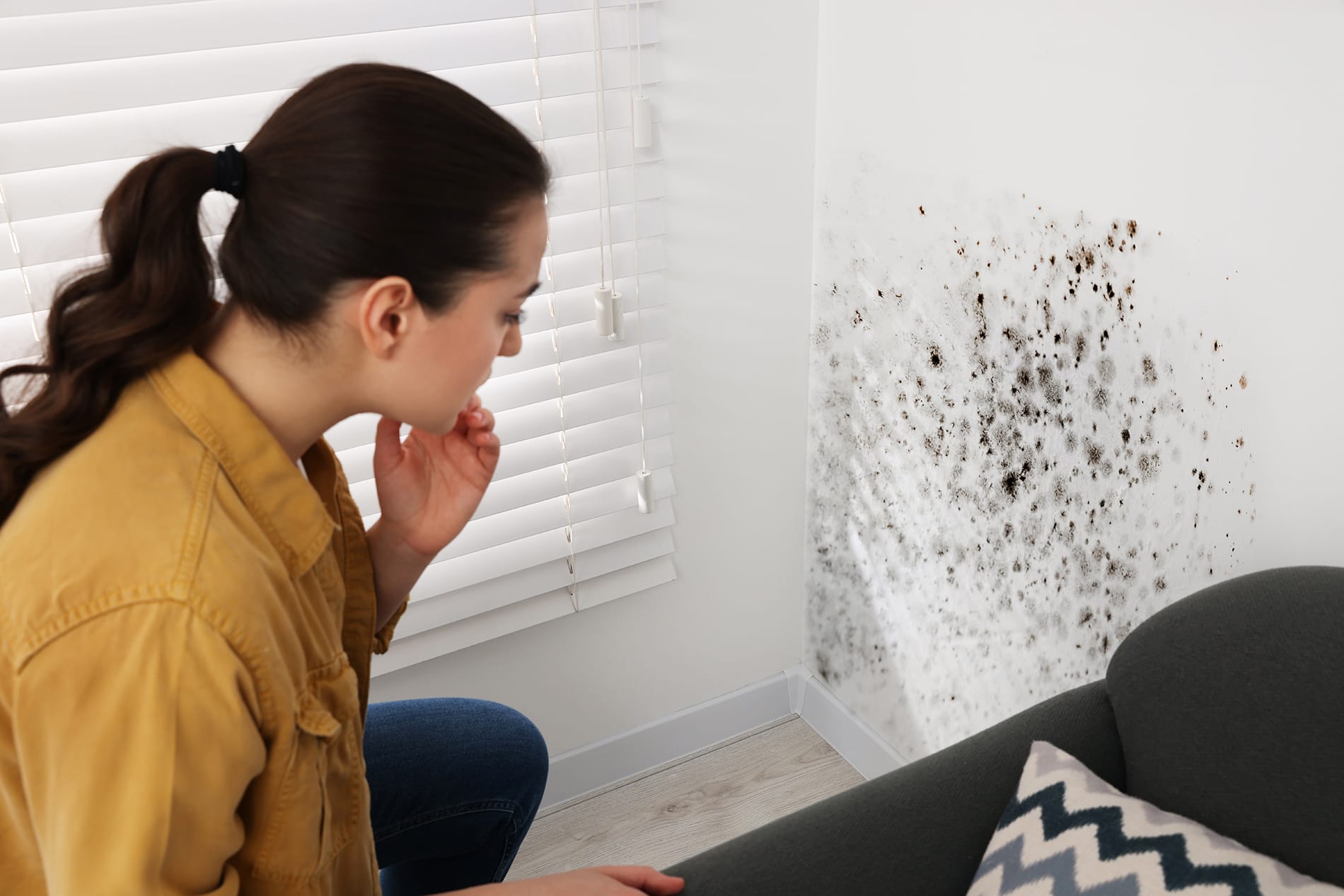
- Mildew or mold in the bathroom or other unventilated rooms or on surfaces such as closets.
- Foggy windows and glass door panels during winter caused by condensation.
- A musty, damp smell.
- Paint or wallpaper peeling, blistering, or cracking on interior or exterior surfaces and walls.
- Wet spots on ceilings or walls.
- Residents experiencing allergy symptoms from dust mites or seeing more pests like termites or cockroaches.
- People with asthma find it harder to breathe indoors.
- Poor sleeping patterns induced by excess sweating at night.
People may also find their hair is a lot frizzier when indoors.
Which Household Rooms Have the Highest Humidity Levels in Texas?
The highest humidity levels in Texas homes are usually found in bathrooms, kitchens, basements, and attics. Sound insulation, ventilation, and building materials are vital in these rooms.
How Can I Reduce Humidity Levels at Home?

There are many ways to reduce high humidity levels so you can enjoy home comforts. First, lower the overall moisture level by not using humidifiers and reducing water evaporation from cooking and bathing. Ventilation fans in these rooms can reduce moisture levels.
A dehumidifier and an HVAC system with humidity settings can also reduce a home’s humidity level. Standalone dehumidifiers can target individual rooms, while whole-house HVAC systems cover an entire property.
Check that your home’s ventilation and insulation are in good working order so that dehumidifiers and HVAC systems can work efficiently. Seal openings and cracks on doors, windows, roofs, and floors to stop moist air from entering. Check for leaky plumbing and dampness in basements or crawl spaces.
An appropriately insulated attic also helps with energy efficiency. Ensure ventilation ducts are in good working order. If in doubt, call in an HVAC contractor for expert advice.
Hygroscopic materials — those that release and absorb moisture — also add to a home’s humidity levels. Paper products like books and wallpaper are classic examples of attracting mildew, as are leather furniture, cotton and wool clothing, and photographs.
Wooden doors, musical instruments or furniture can warp in a home with high humidity levels. Electronic items can short circuit after long periods of exposure to high humidity. Also, check the pantry. High humidity often leads to clumping of products like flour and sugar.
How Can I Prevent Mold and Mildew Growth in a Texas Home Due to High Humidity?
Excess moisture in your home will increase the chance of mold and mildew growth. Moisture can affect poorly insulated houses, those with leaks, damp basements and attics, or those where builders used poor construction materials.
Masonry, concrete, and wood absorb moisture, which can travel around the building and cause damp patches. To prevent mold and mildew:
- Install vapor diffusion retarders (barriers) to protect ceilings, walls, and floors.
- Insulate crawl spaces, attics, and basements properly.
- Ensure drainage systems direct rainfall entirely away from a building.
- Stop all untreated wood components from touching the floor.
- Add a protective membrane between the foundation and the sill and a polyethylene ground cover on the earth floor of crawl spaces.
- Use mold- and mildew-resistant paints in bathrooms and kitchens.
- Run dehumidifiers or suitable HVAC systems to remove moisture from the air.
What Are the Potential Consequences of Unchecked Moisture and Humidity Levels?
Unchecked moisture and humidity can encourage mold, mildew, fungus, and bacterial growth.
Aside from structural issues in buildings, their presence can affect people’s health. Respiratory problems may arise, including allergies, with coughing, wheezing, sneezing, and congestion. People with asthma, allergies, or weakened immune systems may be adversely affected.
How Does High Humidity Impact Energy Efficiency and the Performance of HVAC Systems?
Moisture and high humidity can saturate HVAC systems. This means they must work harder to cool air, reducing their efficiency and potentially pushing energy bills.
The constant strain of hard work wears out an HVAC system’s components more quickly, meaning you may have to replace your system earlier than you expected.
How Can I Improve My HVAC System Performance in High Humidity?
Keeping high humidity levels low is the key. Use a dehumidifier to reduce the room’s moisture if your HVAC system doesn’t have one built-in, and the HVAC system will work more efficiently and keep you cooler.
Remember to keep your HVAC system in good working order, with regular maintenance, cleaning, and replacement of filters and ventilation ducts. Be sure there is no leakage to prevent warm outside air from entering your home. Keep the air conditioner’s evaporator coil clean. If you don’t feel confident, call a registered professional.
Some HVAC systems have energy efficiency programs or high humidity settings — use them. Low speeds also help remove moisture from the air.
Passive ventilation techniques that push air naturally through a building may also help, as do moisture-absorbing materials such as silica gels, baking soda, and even coal.
Address Your Texas High Humidity Levels Concerns
Texas‘s high humidity level concerns are becoming more pressing as climate change cranks up the temperatures.
Failing to address your concerns is serious business. Scorching summers mean the heat can be deadly in the Lone Star state. Furthermore, high air temperatures mixed with high humidity levels make summers in many parts of Texas impossible to survive without air conditioning.
The defense is twofold: First, make your house less susceptible to humidity with excellent ventilation, drainage, construction materials, and cooling systems in top order. Next, reduce the air moisture in your home with a dehumidifier and an HVAC system to optimize your cooling efforts.
These steps help reduce energy consumption — which can lead to lower utility bills — and are good energy-saving habits to adopt. Remember to check our advice about HVAC efficient tax credits if you need to upgrade or add a system.
Brought to you by energysavings.com
All images licensed from Adobe Stock.