
Key Takeaways
- The scorching summer sun can cause excessive heat transfer into your home, increasing your energy bills and your carbon footprint.
- From landscaping to solar panels, there are many ways that you can help reduce solar heat gain — and reduce your energy consumption.
- Some energy-saving options that help to reduce solar heat gain also offer federal tax credits to help you pay for them.
Texas is no stranger to scorching summers and intense heat waves in recent years. And those common weather themes often cause increased energy bills and result in a steady reliance on air conditioning due to solar heat gain.
Finding ways to minimize solar heat gain — the increased temperature inside a home or other building due to absorbed solar radiation — in your Texas home is an important factor in energy efficiency and comfort. Luckily, you can employ numerous strategies to minimize Texas solar heat gain concerns and reduce your cooling costs.
Below, we’ll explore effective window-shading methods and find out how to improve your heating and air conditioning efficiency. It’s essential to find a balance that allows you to take advantage of natural lighting while not increasing the amount of heat in your home. We’ll also look at the importance of opting for energy-efficient building supplies to help all Texans mitigate solar heat gain.
How Do I Minimize Solar Heat Gain and My Reliance on Air Conditioning?
Prevention is the key to minimizing Texas solar heat gain concerns. Conducting a home energy audit will help identify areas where heat gain is most significant. This will help you find specific areas for improvement to enhance energy efficiency and reduce your demand on the Texas grid.
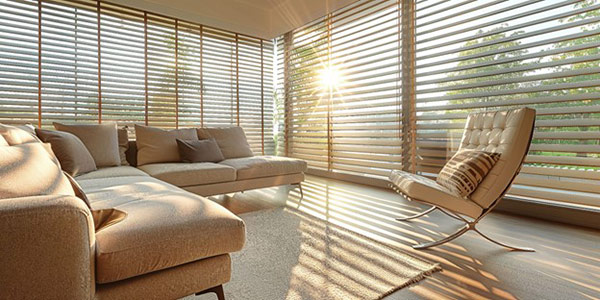
You can also install shading devices, such as exterior awnings, solar screens, or interior blinds. These block sunlight from entering your home and reduce heat infiltrating your living spaces. Adding window film or reflective coatings also allows natural light to brighten your home, helping you balance solar heat gain with natural light.
Planting trees strategically around your home can provide natural shade and play a role in reducing solar heat gain and energy demand for cooling. Deciduous trees, which lose their leaves in the fall and winter, offer shade during the hot summer months. When they lose their leaves in the winter, they allow sunlight to warm your home. By strategically placing trees on your home’s south, southwest, and west sides — the directions that typically receive the most sunlight — you can filter out the sun’s rays and lower your energy costs.
You can also choose light-colored roofing materials that reflect sunlight instead of absorbing it. These more reflective roofs can help reduce the amount of heat transferred into your home, keeping your indoor spaces cooler and reducing your reliance on air conditioning.
What Are the Most Effective Window-Shading Strategies to Combat Solar Heat Gain?
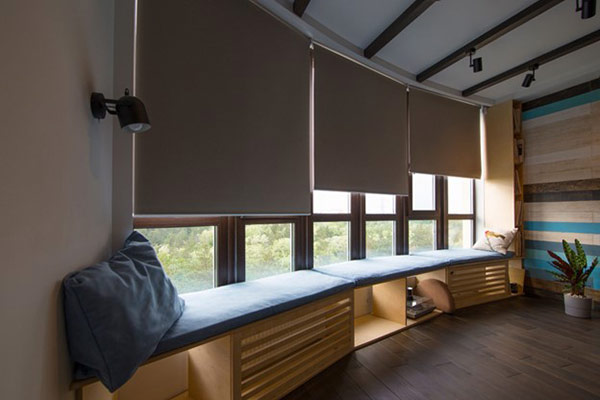
Window shading is a crucial factor in reducing direct sunlight exposure and battling solar heat gain. One effective window-shading method is to install exterior shading devices, such as retractable awnings or pergolas. These structures shade the window from the sun’s rays while allowing air circulation, helping to keep your home cool.
You can also opt for solar screens or interior blinds. Solar screens are mesh-like window coverings capable of blocking up to 95% of the sun’s heat and glare while still permitting you to enjoy the view. Interior blinds offer more flexibility, as you can adjust the light and heat entering your home by moving the curtains.
Plantation shutters are a good option for reducing solar heat gain if you want to add a little elegance and functionality to your windows. These versatile window coverings provide excellent shade and insulation and can enhance a room’s aesthetic appeal. Plantation shutters come built from a wide range of materials, including wood and vinyl, so you can install those best suited for your style and budget.
Do you prefer a more modern and sleek look? Roller shades may be a good option for you. These shades are made of a single piece of fabric that you can roll up and down to cover the window. Roller shades come in various opacities, so you can easily control the light and heat entering your home.
Which Window Treatments Block Heat but Still Allow Natural Light In?
Window treatments can prevent solar heat gain while also allowing natural light into your home. One popular option is to install cellular shades. These shades have insulating properties to reduce heat transfer, but you can also adjust them to allow light in while blocking direct sunlight.
Alternatively, you can use solar control window film. Like the tint you often see on car windows, you apply this film directly to the existing windows on your home. It reduces heat gain by reflecting a significant portion of solar energy. Solar control comes in various tints, allowing you to choose one that suits your preference and style.
You can also install window awnings or exterior shades. You can adjust or retract these shades and awnings to control the heat and light entering your home. Exterior shutters are another attractive solution for blocking heat and maintaining privacy.
Roman shades are a good option to add elegance to your window treatments while still blocking heat. These fabric window coverings provide insulation and come in various styles and patterns to complement your interior decor. You can even customize Roman shades to allow just the right amount of natural light in while reducing glare and heat.
Additionally, you can incorporate sheer curtains into your window treatments to help diffuse sunlight and reduce heat while keeping an airy feel to your space. Sheer curtains come in a wide range of colors and textures, so you can create a light and breezy atmosphere and an energy-efficient home.
Enter your ZIP Code and compare electricity rates
How Solar Heat Impact My Home HVAC Efficiency, and How Can I Improve It?
Solar heat can significantly impact your home’s heating, ventilation, and air conditioning (HVAC) efficiency. When excessive heat enters your home, your HVAC system works harder to keep your home comfortable. This can result in increased energy consumption and higher energy bills.
Higher energy bills aren’t the only consequence of the increased use of air conditioners. If your utility company’s power plant is one of the many fueled by fossil fuels, your need to cool your home is playing a role in climate change.
To improve HVAC efficiency and minimize the impact of solar heat gain during periods of extreme heat, you can start by ensuring that your home is properly insulated. Adequate insulation reduces heat transfer and helps keep your home cooler. This eases the burden on your HVAC system and on the power grid.
You can also upgrade to an energy-efficient HVAC system if your current system is outdated. Look for models with a high seasonal energy efficiency ratio (SEER) rating, ideally one with a SEER rating of 17 or higher. These high-SEER units provide better cooling performance while using less energy from the state’s grid.
Regular HVAC system maintenance, as well as cleaning or replacing your HVAC filter, can improve system efficiency and extend its lifespan. You also want to ensure that your home has properly sized and well-sealed ductwork to enhance the system’s efficiency and reduce solar heat impact.
Adding passive solar design elements to your home can also regulate solar heat gain. Strategically placed windows, overhangs, and thermal mass can combine to maximize natural light and heat in the winter while minimizing them in the summer. This can help reduce your HVAC system’s workload on both cold and hot days.
Finally, you can maximize your HVAC system efficiency by installing a programmable thermostat. With these thermostats, you can set different temperatures for various times of the day. This means your HVAC system keeps the home comfortable when you’re at home and awake and conserves energy when you’re away or asleep.
What Are the Best Roofing Materials for Reflecting Sunlight and Reducing Solar Heat Gain?
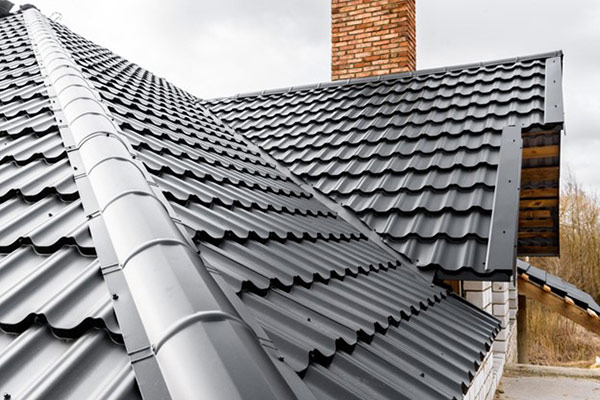
The roofing material you choose may not seem that important, but it can make a significant difference in reducing solar heat gain. Roofing materials with a high solar reflectance index — the material’s ability to return solar energy to the atmosphere — can help keep your home cooler and minimize heat absorption.
Metal
Metal roofs are a good option because of their reflective properties. They can reflect a large percentage of solar radiation back into the atmosphere, minimizing heat transfer into the attic and living spaces. Metal roofs also offer superior durability and longevity, especially during periods of extreme weather.
Metal roofs aren’t always the best choice, though. One big issue is they are generally more expensive than shingle roofs. Another issue is that, while durable, they can dent or their paint can chip if falling objects hit them. Finally, some people are put off by the noise associated with a metal roof.
Tile
Tile roofs are also great for reducing heat gain. However, they are also quite expensive. In addition, they can become brittle and crack, and they can get dirty easily.
Shingles
White or light-colored shingles also reflect sunlight, reducing heat absorption. Plus, they tend to be a more cost-effective option. However, shingles are less durable than metal, and light-colored shingles show dirt, grime, and algae very easily.
Solar Panels
The sun can’t heat what it can’t reach, and solar panels are one of the most effective ways to keep the sun from reaching your roof. In fact, they can reduce the amount of rooftop heat by roughly 38%.
So, solar power will not only provide renewable energy and limit your reliance on natural gas or nuclear plants, but it will also mitigate solar heat gain.
Plus, depending on your solar capacity, this clean energy option can help keep you powered up during a power outage or blackout. And if you opt for battery storage to capture excess solar generation, you’ll have free power through the nighttime, too.
And maybe the best part about this renewable energy source is the federal tax incentive that helps reduce its overall cost.
What Landscaping Techniques or Outdoor Features Naturally Reduce Solar Heat Gain?
Landscaping can also help mitigate Texas solar heat gain concerns by providing natural shade. We’ve already mentioned planting trees around your home, but climbing plants or vines on outdoor structures such as pergolas or trellises can also offer shade and reduce heat gain.
You can also add certain outdoor features, such as a covered patio or a strategically positioned water fountain, to create a cool oasis and lower the temperature of your immediate surroundings.
How Do Energy-Efficient Windows Reduce Solar Heat Gain?
Energy-efficient windows help reduce solar heat gain and your demand on the Texas power grid. They have advanced glazing technologies and insulation properties that significantly lessen the amount of heat that enters your house.
Low-emissivity (low-e) coatings are commonplace in energy-efficient windows. These coatings reflect a large portion of solar radiation using a microscopically thin coating. However, they also allow visible light to pass through, striking a nice balance. This reduces the heat transmitted into your home and decreases your power generation needs for extra cooling.
Window manufacturers often use inert gasses, such as argon or krypton, between energy-efficient window glass panes. These gasses enhance the window’s insulation, further reducing heat transfer, improving overall energy performance, and mitigating your demand on the Texas energy grid.
Some low-e windows also use multiple glazing layers, such as double or triple glazing, to further insulate from solar heat gain. Some energy-efficient windows also have insulated frames, which enhance their thermal performance as well.
These kinds of windows reduce your energy use and associated emissions, and they are also often eligible for a tax credit, just like solar projects. The Department of Energy and the IRS have offered American taxpayers up to a 30% tax credit on “qualified energy efficiency improvements” since January 2023. For windows, you can get up to a $600 tax credit. This credit expires after 2032, unless lawmakers opt to extend it.
Reduce Texas Solar Heat Gain Concerns and Save Energy
As average temperatures continue climbing, Texas solar heat gain concerns also increase. These rising temperatures are leading to escalated air conditioning use, which increases energy consumption and can expand our carbon footprint. It can become a vicious cycle.
Fortunately, there are many ways that you can help alleviate these concerns, such as by creative landscaping, making minor home upgrades, and more. And some of these actions come with tax credits to help you pay for them and to help reduce your energy bills, making mitigating Texas solar heat gain concerns a win-win situation.
Brought to you by energysavings.com
All images licensed from Adobe Stock.