
Key Takeaways
- Residential electrical code requirements are in place to ensure safety and proper functionality for electrical outlets, wiring, electrical panels, and even outdoor electronics in a residence.
- Residential electrical codes can be local or national (the two often overlap) and must be followed for remodels or new construction.
- Residential electrical codes can change over time, so it’s important to stay on top of the latest updates.
There’s seemingly a building code for everything when building or renovating a home. While some may seem unnecessary or excessive, residential electrical codes are crucial.
The residential electrical code is a set of regulations and guidelines that help ensure the electrical systems in residential buildings are safe and efficient. National and local authorities set these electrical codes to protect homeowners and occupants from electrical hazards and maintain the electrical infrastructure’s integrity.
Understanding and following residential electrical codes is important for do-it-yourself homeowners, contractors, and electricians alike. Below, we’ll explore various aspects of residential electrical code requirements.
What Are the Main Differences Between National and Local Electrical Code Requirements?
In residential electrical codes, you must consider local codes and the National Electrical Code (NEC). Local codes focus on a specific jurisdiction, whereas the official NEC provides guidelines for electrical installations nationwide.
Some key differences between national and local electrical codes include:
- Scope: While the NEC gives general and broad requirements, local codes have additional requirements or modifications that compensate for specific regional factors, climate conditions, or local building regulations.
- Amendments: Local codes may have amendments or additions specific to the jurisdiction, addressing unique considerations or historical practices.
- Enforcement: Various national organizations often enforce the NEC, whereas local building departments or authorities enforce local codes.
To fully understand compliance with electrical requirements in residential settings, it’s critical to consult national and local codes.
What Are the Key Residential Electrical Code Components?
Residential electrical codes include various components to ensure an electrical system’s safety and functionality. However, some of the key areas residential electrical codes cover include the following:
- Electrical wiring and circuit installations: Permitted wiring types and methods, as well as the correct circuit breakers and fuses to prevent overload.
- Electrical outlets and switch requirements: Placement and spacing of outlets and switches to prevent overloading while remaining convenient.
- Electrical panel installations: Regulations limit the wiring inside the main electrical panel and the panel’s placement.
- Grounding and bonding: Wiring must be properly grounded and bonded to prevent accidental shock and fires.
- Safety measures: Electrical codes generally require specific safety measures — e.g., ground fault circuit interrupters (GFCI) and arc fault circuit interrupters (AFCI) — to protect from short circuits and overloads.
- Load calculations: Residential electrical codes generally have guidelines for calculating a residential property’s electrical load to ensure the system can handle the demand.
Each component has specific requirements and guidelines you must follow to meet code compliance. If you do not adhere to the code, you may fail inspection and have to repair any shortcomings.
Enter your ZIP Code and compare electricity rates
How Often Are Residential Electrical Codes Updated, and What Prompts These Updates?
The NEC goes through updates every three years. These updates consider new technology, recent findings, and other variables that impact residential electricity safety.
Local residential electrical codes are often less regimented than the NEC, and may even go through several updates more quickly. Generally, local officials update these local codes to keep pace with technological advancements, NEC updates, safety research, and industry best practices.
Update frequency can vary depending on region, but you’ll generally see them at least every few years. They occur to enhance safety, improve energy efficiency, and incorporate emerging technologies into residential electrical systems.
Residential electrical code updates often stem from emerging risks and challenges in the field. One example is the rapid evolution of smart home technologies, such as smart power outlets. As such, residential electrical codes must address these advancements to mitigate potential hazards and ensure that residential electrical systems remain reliable and secure.
What Are the Specific Requirements for Electrical Outlets in Residential Spaces?
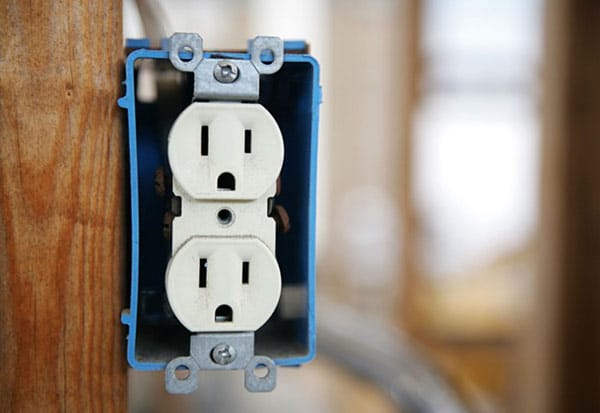
The residential electrical code for electrical outlets will vary by region, and overall the regulations aim to ensure convenience, accessibility, and safety. Here are some common outlet guidelines from the NEC:
- Spacing: Outlets should be evenly distributed throughout the living area with no point of a wall more than 6 feet from an outlet. Essentially, this means outlets should have no more than 12 feet between them.
- GFCI protection: In wet and damp areas, such as kitchens, laundry rooms, bathrooms, outdoor spaces, and garages, outlets must have ground fault circuit interrupters (GFCIs) to prevent electrical shock.
- Outlet height: Not all areas have specific codes regarding outlet height, but the best practice is to install them about 12 to 15 inches above the floor or 15 to 20 inches from the countertop surface for easy accessibility.
- Tamper resistance: NEC regulations require tamper-resistant receptacle outlets. These outlets have small shutters preventing anyone from accidentally inserting anything other than a plug into the outlet and shocking themselves.
These outlet requirements and recommendations ensure your residence has safe and accessible electrical outlets. They also ensure people with disabilities can access the outlets.
It’s worth noting the NEC outlines specific requirements for outlets in certain areas within a home. For example, any 12-inch or longer countertop in a kitchen must have an outlet. Also, kitchen countertop receptacles should have no more than 4 feet between them along the countertop.
What Are the Regulations Regarding Electrical Panel Installations in Homes?
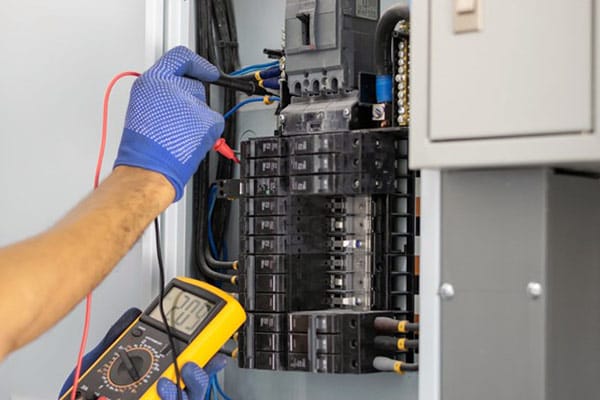
Electrical panels, sometimes called breaker boxes or distribution boards, are critical components in any residential electrical system. Like other components, the precise residential electrical codes regarding them will vary by area, but here are some relatively common regulations related to electrical panel installations:
- Clearances: Electrical panels must have sufficient clearances for safe operation, maintenance, and access. For example, the NEC states they must have a minimum clearance of 30 inches horizontally and 36 inches in front of the panel.
- Labeling: All breakers in the panel must have a label indicating their corresponding circuits or appliances.
- Capacity: The panel’s capacity or ampere rating must suit the property’s electrical load. The NEC requires most home electrical panels to be at least 100 amps, though this can vary by local code. This is generally plenty for a medium-sized family dwelling with several 240-volt appliances and other higher-voltage electrical equipment — dryers, ovens, water heaters, etc. — but you may need more if you have a higher energy demand.
Proper electrical panel installation and compliance with NEC and local regulations help to ensure safe and efficient electricity distribution throughout a home.
How Does the Residential Electrical Code Address Wiring Standards for Residential Buildings?
Wiring standards are key components in the NEC residential electrical code, as poor wiring can lead to electrical shock, shorts, or even fires. These codes promote the safe installation and operation of electrical circuits.
As with other sections of code, the specifics will vary by region, but some common things these codes address include:
- Wire size and type: The code specifies wire size and type based on the electrical load, voltage, and application. For example, a common rule is to use 14-gauge wire for 15-amp circuits and 12-gauge wire for 20-amp circuits at 120 volts.
- Wire protection: Wiring must be protected from mechanical impact, environmental factors, and overheating.
- Junction boxes: Wiring connections should be made inside junction boxes. These boxes provide protection and accessibility for electrical splices or terminations. Depending on local codes, these can be plastic or metal boxes.
- Grounding and bonding: The code outlines grounding and bonding systems requirements to ensure safety against electrical faults and lightning strikes.
These wiring standards are crucial for preventing electrical hazards and maintaining a reliable electrical infrastructure in residential buildings.
What Are the Residential Electrical Code Requirements for Outdoor Electrical Installations?
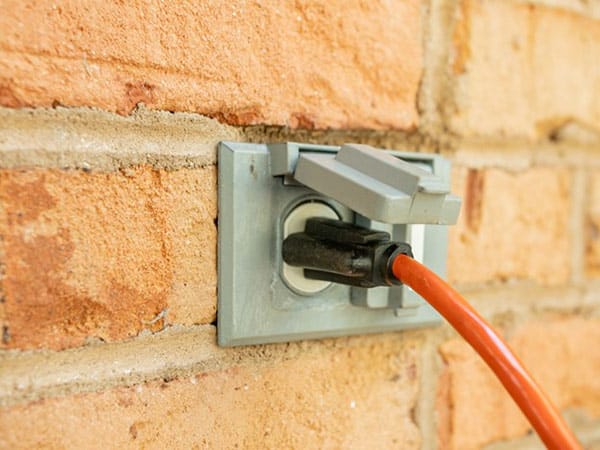
Outdoor electrical installations, such as outdoor lighting, outlets, and equipment, have distinct requirements to safely withstand environmental conditions. As with other regulations listed, these can vary by area.
Some common code requirements for outdoor electrical installations include:
- Weatherproofing: Outdoor electrical components must be designed for weather resistance and protection against moisture, dust, and other elements. In damp areas — those covered but still subject to moisture, like decks, patios, etc. — receptacles must have a weatherproof cover. In wet locations — those exposed to weather — you must use a weatherproof “in-use” cover, which keeps the outlet covered with a weatherproof seal even when in use.
- GFCI protection: Like indoor outlets, outdoor receptacles in wet or damp locations must be equipped with GFCI outlets to protect against electrical shocks. Since all outdoor electrical outlets are subject to some dampness, they all must have GFCI protection.
- Burial depth: Buried wire carrying over 30 volts must run through metal or PVC conduit for protection. When in a metal conduit, it must be buried at least 6 inches deep. With PVC conduit, it must be buried at least 18 inches deep.
How Can You Ensure Compliance During a Home Renovation or Construction?
When planning home renovations or new construction projects, complying with the residential electrical code is a must. Failure to do so can result in delays and future potential hazards.
Here’s how to ensure your residence is up to code:
- Hire licensed electricians: Licensed electricians and electrical contractors have the training, knowledge, and experience needed to ensure all electrical services are done correctly and up to code. Working with highly rated licensed electricians improves the chances your electrical work adheres to all residential electrical code requirements.
- Obtain proper inspections: While hiring a licensed electrician is a great start, it doesn’t guarantee they will adhere to all codes, as some may try to take shortcuts. This is why getting inspections during and after the remodel or new build is important. A trained code inspector who knows exactly what to look for handles this inspection.
- Plan and design carefully: By properly planning and designing your electrical systems, including circuits, outlets, and lighting, you can ensure all code issues are accounted for before starting construction.
- Adapt to updates: Codes change over time, and they sometimes change quickly in response to new developments and technology. It’s a great idea to keep current on any code revisions during your project and ensure the electrician you’re working with follows the latest rules.
By considering these factors, homeowners and contractors can effectively navigate the complexities of the residential electrical code during home renovations or new construction projects.
Residential Electrical Code Requirements Keep Things Working and Keep You Safe
The NEC residential electrical code is critical to the safe and efficient installation of electrical systems. These rules cover various aspects to protect people and their property, including electrical outlets, electric panel installations, wiring standards, and outdoor installations. While there are some updates you might be able to DIY, it’s always best to hire a licensed professional.
Following these guidelines and requirements ensure homeowners and renters have safe, functional, and code-compliant electrical systems. As the old saying goes, “safety first!”
Brought to you by energysavings.com
All images licensed from Adobe Stock.