
Key Takeaways
- Many factors can influence energy price trends, from supply and demand to the shift toward renewable energy
- Some energy price drivers can have a global impact, such as geopolitical tension in an oil-exporting country.
- Small changes, such as improving your household’s energy efficiency, can help move the needle toward more stable energy prices.
Energy prices are crucial for consumers, businesses, and governments worldwide, affecting everything from household electricity bills to industrial operational costs. Understanding what influences energy price trends can help you make informed decisions and strategize effectively in the constantly evolving energy and electricity market.
Below, we’ll look deep into electricity price trends, what impacts them and why, and much more.
What Factors Influence Fluctuations in Energy Prices?
A wide range of interconnected factors contribute to fluctuations in energy market prices, and they generally fall into three main categories: supply-side, demand-side, and external influences.
- Supply-side factors: As the name indicates, these factors impact the energy supply, which can affect consumer prices. They include fuel supply availability, changes in electricity generation levels, facility efficiency, government regulations, energy transmission and distribution, and more. Any disruption — such as natural disasters, technical failures, or geopolitical tensions — can strain the supply and result in significant retail price
- Demand-side factors: Consumer demand can significantly impact energy price trends. Some examples where demand plays a role include extreme heat or cold, economic conditions, and technological advancements. For instance, a colder winter may lead to increased demand for heating, subsequently driving up prices. However, shifting to solar and home automation can reduce demand and lower energy prices.
- External factors: In some cases, events seemingly unrelated to energy price trends play a more significant role than you may think. Global events, such as conflicts, trade agreements, or even pandemics, can have ripple effects on average prices for energy. These external factors can impact supply and demand, resulting in sharp rises and falls in pricing.
Put together, all three main categories of factors significantly impact the volatility in energy pricing, which is why consumers must stay informed.
Multipliers are other factors that can impact energy price trends. These take existing price trends and make them even more significant. A great example is speculation in crude oil and other commodities used in energy production. Traders and investors often react to news and trends to help protect their investments, which can amplify price movements.
For example, suppose investors catch wind of a potential conflict in an oil-producing region. In that case, oil prices may rise before supply disruptions occur because investors suddenly invest in this commodity to reap the rewards of the anticipated price increases. This speculative trading can result in higher prices than expected due to market sentiment.
Enter your ZIP Code and compare electricity rates
How Do Global Events Affect Energy Price Trends?
As mentioned, global events can also shape energy price trends. Political upheavals, wars, natural disasters, or economic sanctions can directly impact energy supply and demand. Let’s look closer at some examples of how these global events affect prices:
- Political unrest: Political instability in oil-rich regions often causes supply shortages, which can result in higher energy prices. An example we’ve seen many times is how conflicts in the Middle East result in oil price fluctuations that resonate worldwide, impacting energy prices, gasoline prices, and more.
- Natural disasters: Hurricanes, severe weather, and earthquakes can severely impact energy production and distribution networks, including the oil and gas sectors. For instance, 2005’s Hurricane Katrina led to significant disruptions in U.S. oil production, causing dramatic price increases.
- Trade disruptions: Tariffs and sanctions can increase the cost of energy imports and exports, causing price shifts. For example, changes in U.S.-China trade relations directly impacted the volatility of energy commodities
With the world becoming increasingly interconnected, the impact of such events on energy markets will likely continue to intensify.
Remember, this interconnection doesn’t always result in an unfavorable global impact. Global events can also spur technological advancements and changes that improve pricing stability.
For instance, international agreements seeking to slow and reverse climate change may result in investments in renewable energy technologies, which can stabilize or reduce long-term energy prices. Plus, this transition to green energy may mitigate the risks associated with geopolitical tensions over fossil fuels.
How Are Renewable Energy Prices Changing Over Time?
Since 2009, renewable energy prices have seen a remarkable cost decline, making them more competitive with fossil fuels. For example, utility-scale solar panel costs dropped 82%, and onshore wind costs fell 39% between 2010 and 2019.
Several factors have led to this big drop in cost, including:
- Technological advancements: Innovations in solar panel and wind turbine designs have increased efficiency and reduced costs. Increased demand results in additional technological advancements, which cause prices to fall. When prices fall, demand grows again, spurring more advancement.
- Economies of scale: When renewable energy demand grows, manufacturers can produce it in larger volumes, often leading to lower prices.
- Government incentives: Many governments offer subsidies and incentives to encourage renewable energy adoption and reduce costs.
Renewable energy will continue to mature, meaning technological advancements and decreasing prices will continue. This can profoundly impact global energy markets.
In addition to prices falling, the world’s awareness of climate change and environmental issues has spurred demand for clean energy sources. This shift influences consumer choices and has pushed companies to invest in renewable technologies, further reducing renewable energy costs.
Renewable energy’s integration with existing grids has also become more sophisticated. For example, advancements in renewable energy storage solutions, such as batteries, now allow for more effective energy supply and demand management. This means renewable sources can now provide a more stable and reliable energy supply 24 hours a day, seven days a week.
How Do Energy Price Trends Differ Regionally and Globally?
Energy prices aren’t consistent worldwide. They can vary significantly between regions due to several factors, including:
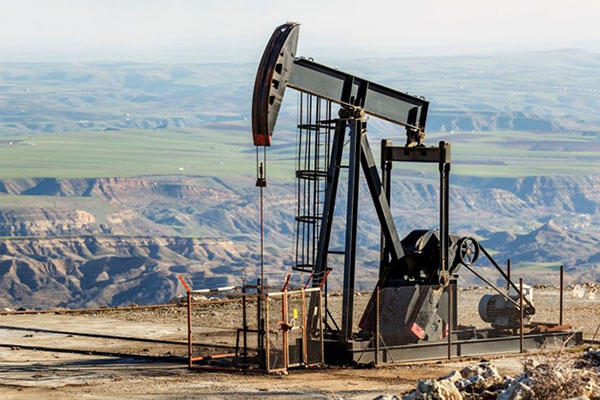
- Resource availability: Regions with abundant energy sources, such as oil in the Middle East or natural gas in North America, tend to have lower prices due to high supply levels. Conversely, regions with limited resources rely on imports, driving up prices.
- Regulatory environment: Government policies on energy production and consumption can influence energy prices. Areas with stringent regulations often incur higher costs to remain compliant, influencing retail prices.
- Market competition: Areas with less regulation or even complete energy deregulation, which allows customers to choose from various power suppliers, tend to have lower prices due to their competitive nature. However, monopolistic situations lack this competition, often leading to higher consumer energy prices.
What Role Do Supply and Demand Dynamics Play in Energy Price Trends?
Supply and demand dynamics are fundamental in understanding energy price trends. As high demand begins to exceed the supply, prices tend to rise. But if supply is plentiful and exceeds demand, prices tend to fall.
Several factors can influence the supply and demand sides of this equation, including:
- Seasonal changes: Energy demand often peaks during specific seasons, such as winter for heating or summer for cooling. These spikes are predictable but can still cause sharp fluctuations in pricing.
- Market speculation: Traders and investors can also impact energy pricing, as their expectations of future supply and demand can influence current prices. Speculative trading may cause short-term price volatility and shift energy prices from a supply and demand basis to a more hypothetical basis. For example, crude oil market speculation drove 24% to 48% of the increase in crude oil pricing from October 2020 to June 2022.
- Inventory levels: Stored reserve energy levels can also impact prices. With loads of energy in reserves, there’s ample supply, which can drive down prices. However, once reserves dwindle, prices can rise again due to the limited supply.
Enter your ZIP Code and compare electricity rates
How Do Geopolitical Factors Impact Energy Price Volatility?
Geopolitical factors can be some of the biggest drivers of energy price volatility. Events or tensions in prominent energy-producing regions can immediately impact global energy prices.
- Conflict and instability: Political conflicts in regions rich in energy resources like oil often lead to supply disruptions. For example, Russia is the world’s second-largest oil exporter, and its invasion of Ukraine has caused spikes in crude oil prices, which impacts gasoline and energy prices.
- OPEC decisions: The Organization of the Petroleum Exporting Countries (OPEC) regulates oil supply. OPEC’s decisions regarding production cuts or increases can influence global energy prices.
- International sanctions: Economic sanctions on countries are sometimes necessary but can also hinder their ability to produce or export This hindrance can influence worldwide energy supplies and increase pricing.
How Are Technological Advancements Influencing Energy Price Trends?

Technological advancements have always played a huge role in energy markets and pricing, but recent advancements have led to even more substantial shifts in price dynamics, such as:
- Enhanced extraction techniques: Energy extraction is costly, but advancements like hydraulic fracturing and horizontal drilling have made previously inaccessible resources more viable. This has helped increase supply and contribute to fossil fuel cost reductions.
- Efficiency advancements: Even things as granular as advancements in household appliances can affect energy price trends. As more households switch to more efficient appliances — such as dishwashers, air conditioners, and clothing dryers — the demand on the energy grid reduces, helping lower energy prices.
- Smart grid technologies: Digital technologies have helped improve power grid management, leading to better energy distribution and optimized consumption. As this technology progresses, it could play a big role in stabilizing energy prices and reducing volatility.
In addition, we are still nowhere near reaching our full technological potential in the energy marketplace. As technology advances, its influence on energy price trends should grow.
How Can Consumers and Businesses Mitigate Risks Associated with Energy Price Fluctuations?
Energy price fluctuations can cause budgetary issues for individuals and corporations alike. Fortunately, businesses and individuals can take certain actions to mitigate the impact of these fluctuations, including:
- Fixed pricing contracts: Many energy providers offer fixed-rate energy plans. These plans allow consumers and businesses to lock in their per kilowatt-hour (kWh) energy prices for a specified term, protecting them from future price increases. The downside is that you cannot get a lower rate if prices fall.
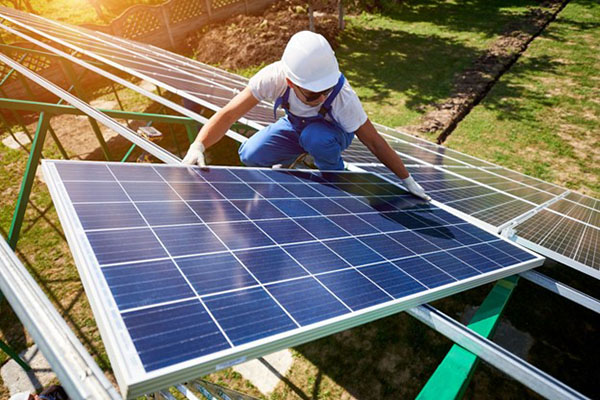
- Diversification of energy sources: Investing in multiple energy sources, including renewables, reduces your reliance on the energy grid and minimizes your exposure to higher energy costs. Additionally, increasing your reliance on renewable energy helps reduce emissions caused by energy consumption and shrinks your carbon footprint.
- Energy efficiency improvements: The less energy you consume, the less a price increase will impact you, as you only pay for the energy you use. If you upgrade your home or business to make it more energy efficient, you reduce the energy you consume, minimizing the impact of any electricity rate increases.
Energy Price Fluctuations Happen. Do Your Part to Reduce the Impact
Energy price trends continually evolve and fluctuate due to various interconnected factors. Understanding these factors and staying on top of them can help you gauge potential increases and act to minimize their impact on you or your business.
You can start by finding a great fixed-pricing contract with a reliable energy supplier. Check out the great fixed rates Energy Savings offers in your area.
Brought to you by energysavings.com
All images licensed from Adobe Stock.