
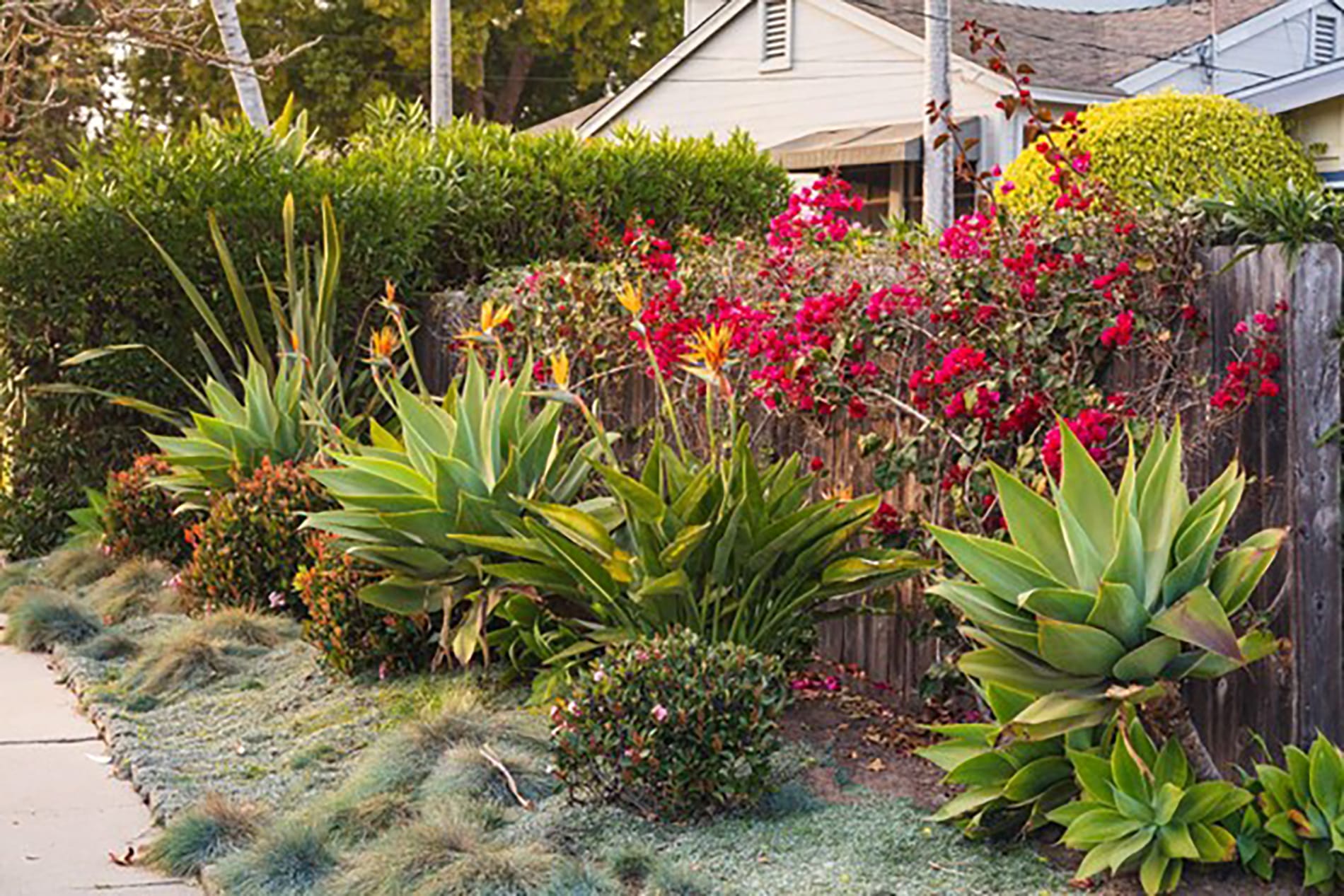
Key Takeaways
- Plant selection plays a big role in creating an energy-efficient landscaping design, such as choosing climate-friendly native plants.
- Strategic placement of trees and landscaping walls can boost overall household energy savings.
- Look for rebates from local government agencies and utility companies to help offset the cost of creating an energy-efficient landscape.
Energy conservation is becoming an increasingly important part of our daily lives, and it’s making its way into areas you might not have considered, such as landscaping. Though it may be a relatively novel concept to many, energy-efficient landscaping is something any homeowner should consider.
As it turns out, you can use specific landscaping strategies to help the environment and reduce energy costs, making it a win-win situation. Below, we’ll explore the ins and outs of energy-efficient landscaping and how it can contribute to a greener future.
What Are the Key Strategies for Energy-Efficient Landscaping and the Cost Benefits?
Energy-efficient landscaping uses techniques and design principles to minimize energy consumption while maintaining the aesthetic appeal of outdoor spaces. It can be an important part of overall energy efficiency. Some key energy-efficient landscaping strategies include:
- Planting shrubs and trees in a way to maximize shade during hot summers, helping to lower the demand for air conditioning and reducing cooling costs.
- Creative hardscaping placement — such as walls, fences, or trellises — to create windbreaks, which may protect homes (especially those in cool regions) from cold winter winds and reduce heating costs.
- Installing efficient irrigation systems and following water-conserving practices to reduce water usage.
With these simple strategies, homeowners can help reduce energy consumption while shrinking their carbon footprint and energy bills.
Using renewable energy sources is another, more advanced, way to make your landscaping more energy efficient. For example, you can install solar-powered outdoor lights that illuminate pathways and gardens and reduce reliance on traditional electricity sources. This too can lower your energy bills as you can harness the power of the sun instead of the power grid.
By harnessing the sun’s power, you can reduce carbon emissions and play a role in creating a more sustainable environment, all while creating a beautiful ambiance and increasing nighttime safety.
How Can You Design Landscaping to Maximize Energy Savings?

Landscape design to maximize energy savings requires careful planning and consideration of various factors. You must first understand the climate and microclimates of your area. This will help you determine the positioning of shade trees or windbreaks for optimal effectiveness. You also want to account for natural features, such as hills or existing trees, to further enhance energy efficiency with minimal effort and expense.
You may also want to consider adding water features, such as ponds or fountains, into your design to help cool the surrounding area through evaporative cooling. When you strategically place these elements in sunny locations, you create microclimates that lower air temperatures and may reduce the need for air conditioning.
The plant species you select is another energy-efficient landscaping factor. Opting for native plants that are adapted to the local climate often means you’ll require less water and maintenance. These native plants also provide beneficial insects and wildlife habitats, helping balance the local ecosystem.
Finally, consider adding green roofs in outdoor spaces to provide insulation for buildings and reduce heating and cooling demands. Green roofs consist of vegetation planted over a waterproofing and root-repelling membrane. This system offers various benefits, such as improved air quality, reduced heat gain, and greater biodiversity in urban areas.
Pro tip: In addition to updating your outdoor landscaping, you can seal air leaks around windows and doors to make your overall home a more eco-friendly (and budget-friendly) space.
Enter your ZIP Code and compare electricity rates
What Plant Selections and Layouts Promote Energy Conservation?
Selecting the right plants and implementing a strategic layout can be vital in promoting energy conservation in home landscaping. Here are some tips to maximize energy efficiency:
- Plant deciduous trees on the south side and west side of the house to provide summer shade and allow the winter sun’s rays to enter and warm the home.
- Select dense-foliage plants to naturally insulate against heat and cold.
- Use groundcover plants and shrubs to combat evaporation and soil erosion.
- Opt for drought-tolerant plants to reduce watering expenses.
By focusing on these steps, you can create an energy-efficient landscape that helps reduce your heating and cooling needs and watering costs.
How Does Energy-Efficient Landscaping Support Water Conservation Efforts?

The more water your landscaping uses, the more electricity it requires to pump that water. This is why water conservation is an integral part of energy-efficient landscaping. You can significantly reduce the demand for water while minimizing the environmental impact by implementing water-conscious practices, such as:
- Installing rain barrels, cisterns, and other water-capturing fixtures to collect rainwater you can use to irrigate your plants.
- Integrating drip irrigation systems that carry water directly to plant root zones and minimize evaporation.
- Applying mulch or compost to help retain soil moisture and suppress weed growth.
When you reduce water usage and prevent water runoff through well-designed landscaping, you help conserve a precious resource and the energy required to move it while creating a great-looking outdoor space.
Another way you can support water conservation efforts through careful landscape planning is to incorporate native plants into the design. Native plants are more adept at thriving in the local climate and soil conditions, which often means they require less water, fertilizer, and maintenance than non-native species. When you opt for native plants, you can create a sustainable, thriving landscape that requires minimal human intervention and reduces the overall environmental impact.
Finally, add some permeable hardscapes to your landscape plans. These include things like porous pavers or gravel pathways. Instead of having precious rainwater flow off non-permeable hardscapes and into the storm drains, these hardscapes allow water to seep into the soil. This reduces demand on local drainage systems and helps replenish groundwater levels while also preventing soil erosion.
Mixing these water-saving tactics with energy-efficient landscaping practices creates a harmonious outdoor space and promotes water conservation, which is ultimately good for the Earth.
Pro tip: For more ways to reduce water usage, check out this guide to low-flow showerheads and faucet aerators.
What Landscaping Techniques Contribute to Using Renewable Energy Sources Outdoors?
Landscaping isn’t just for looks. It can be functional too. You can employ certain landscaping techniques to harness renewable energy sources in outdoor spaces. For example, you can:
- Install solar panels on pergolas or gazebos to generate clean energy to power outdoor lighting or outdoor water features.
- Install wind turbines or micro windmills atop taller hardscape structures to harness wind power for outdoor decor requiring electricity.
Integrating renewable energy technologies into outdoor spaces can contribute to a greener future while reducing your dependence on non-renewable energy sources.
How Does Ground Coverage and Composition Contribute to the Overall Energy Efficiency of Landscaping?

Choosing the correct ground coverage and composition can significantly impact the overall energy efficiency of landscaping. Using porous materials like gravel or permeable pavers allows rainwater to replenish the groundwater, reducing irrigation demand.
Carefully considering ground coverage materials can also help reduce the urban heat island effect in highly populated areas. Choosing light-colored surfaces, such as white gravel or reflective pavers, helps reduce heat absorption and minimizes heat retention. This can lower ambient temperatures and decrease the demand for air conditioning, helping save energy and reduce your carbon footprint.
By strategically planning the ground coverage and composition, landscaping can be a key part in creating sustainable and energy-efficient outdoor spaces that benefit both the environment and the community.
You can also incorporate rain gardens into your outdoor architectural designs. Rain gardens are shallow, vegetated basins designed to capture and absorb rainwater runoff. These systems add to the overall aesthetic of your landscaping and help reduce the burden on stormwater systems.
Rain gardens allow rainwater to infiltrate the ground slowly to help recharge groundwater and prevent soil erosion. You can design these gardens to include various native plants and add color and texture to your outdoor space. Including these rain gardens enhances your property’s visual appeal and demonstrates your commitment to sustainable design practices.
Mulch is another great ground-coverage technique. This thin layer of permeable material allows water to seep through it to rejuvenate groundwater while preventing evaporation. And with the added pop of color from the various wood and other materials it’s made from, it can give your landscaping a more appealing look
Finally, opting for low-lying vegetation can also help provide ground coverage. This vegetation allows rainwater to flow through to the ground but then shields it from evaporation once it reaches the soil. Also, the root systems can help combat soil erosion. You can also choose plants that bloom colorful flowers to add more visual appeal to your landscaping.
What Are Some Resources for Homeowners Interested in Energy-Efficient Landscaping?
If you’re interested in implementing energy-efficient landscaping practices, you have numerous government and industry resources at your fingertips to help guide you. These resources provide valuable information, tips, and guidance on energy-efficient landscaping, including:
- Government agency websites, such as the Environmental Protection Agency (EPA) or the Department of Energy (DOE)
- Online tools and calculators to help homeowners estimate potential energy savings
- Local horticultural or environmental organizations with various workshops and educational programs
- Publications and research papers from reputable sources, such as colleges and universities, that discuss the latest trends and techniques
You can gain valuable insights and make educated decisions regarding energy-efficient landscaping through these resources.
You can also consult with landscape architects or designers specializing in energy-efficient landscaping. These professionals can come up with personalized recommendations based on your property’s needs, characteristics, and your aesthetic desires.
You may also want to contact local utility companies and government agencies about potential incentives or rebates for homeowners who implement energy-efficient landscaping practices, such as installing drought-resistant plants or utilizing smart irrigation systems. For example, Washington, D.C.’s Department of Energy & Environment (DOEE) has a RiverSense Rebate program that offers certain homeowners $2 rebates per gallon of rainwater barrels and $41 per square foot of rain gardens installed.
When you take advantage of these rebate programs, you reduce your water and energy consumption and contribute to environmental conservation efforts in your community.
Pave Your Way to a Greener Future With Energy-Efficient Landscaping

Creating an energy-efficient landscape is just one way that you can conserve energy and reduce your carbon footprint. With this unique, energy-saving process, homeowners can contribute positively to the environment while reducing their energy costs and increasing the aesthetic appeal of their properties.
Use these tips to embrace the power of landscaping and pave the way towards a greener future.
Brought to you by energysavings.com
All images licensed from Adobe Stock.